There May Be Trouble Ahead: A Long Drive into Oman

It’s hard knowing what to pack when you aren’t sure if you’re leaving for one week, two weeks, or forever. It’s even harder when you’re sleep-deprived, anxious, packing for three, and unsure of what awaits at the end of the road. 

Each time I started shoving things into the cases, I tried to prioritize between what I needed, what I wanted, and what I couldn’t be without, like hair conditioner, children’s books, and a copy of The Bitcoin Standard. Then, I emptied it all out again, realizing I could live without it all: none of it had any meaning beyond the remnants of a life we’ve built here.

But we needed supplies. After the intensity of emotions and night after night of hearing missiles being intercepted overhead, I had elected the quietest-looking place I could find, tucked away in a remote corner of eastern Oman, a fishing village with no shopping centers, no Deliveroo, not an awful lot of people, and, best of all, no missile attacks from Iran. 

As we left the house, I tried to balance boxes of food, drinks, snacks, and various kitchen supplies in my arms, while tugging three suitcases in tow. The kids, who are usually oblivious to my needs and the multiple logistics going on around them, insisted on helping me to the car, lugging heavy bags and trying to wheel too much weight down the ramp. I couldn’t love them more, I thought.

About a week ago, as I was learning wartime survival skills from the Lebanese and adapting to life with the booms, I didn’t have plans to leave. I didn’t want to travel, in fact, not by plane anyway, and the kids were doing well, more caught up in online learning than worrying about the war. But then the situation worsened. It went from being a game for them to something entirely more real. It was time to leave, for a while.

Going old school: Driving with no GPS

As we pulled out of the apartment complex, I entered “Muscat, Oman,” into Waze. After waiting for the icon to stop spinning, it finally said: “Couldn’t calculate route.” I tried again, wondering if my data was down. Maybe Muscat was too far; I entered the Hatta border crossing instead. Nothing.

I resorted to Google Maps, which I absolutely hate because the arrow faces backward on the display and it tells me unhelpful things like “head northwest,” as if I went about my daily life with a compass in my pocket. According to Google Maps, my car was currently in the middle of the ocean. I let out my first expletive of the journey, and we had barely made it to the end of the road. 

What was happening? I called a friend to see if he knew what was going on. “The GPS signals are blocked because of the drones,” he said. “You will have to go old school.”

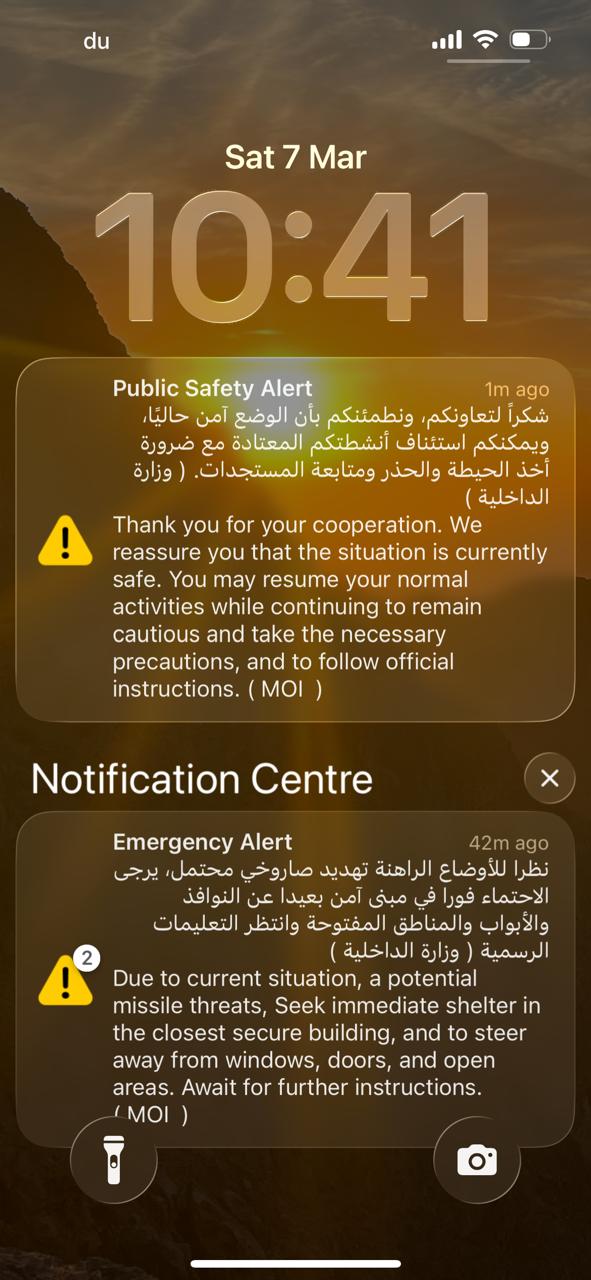
Those seven words were even scarier than an emergency alert about missile attacks from the MOI. I gulped. I can barely make it to the end of the road without my satellite navigation. How in the hell would I make it all the way to Oman? That alone almost stopped me in my tracks, along with the sleepless night and uncertainty if I was making the right call. That’s one of the hardest things about parenting alone: the ultimate decision is yours, and the responsibility is crushing.

But the car was loaded, and the kids were ready. Not leaving now wasn’t an option. I pulled into a layby to breathe for a while, asking myself if I could really drive blind, as a knot formed in the pit of my stomach.

Following the signs to the border

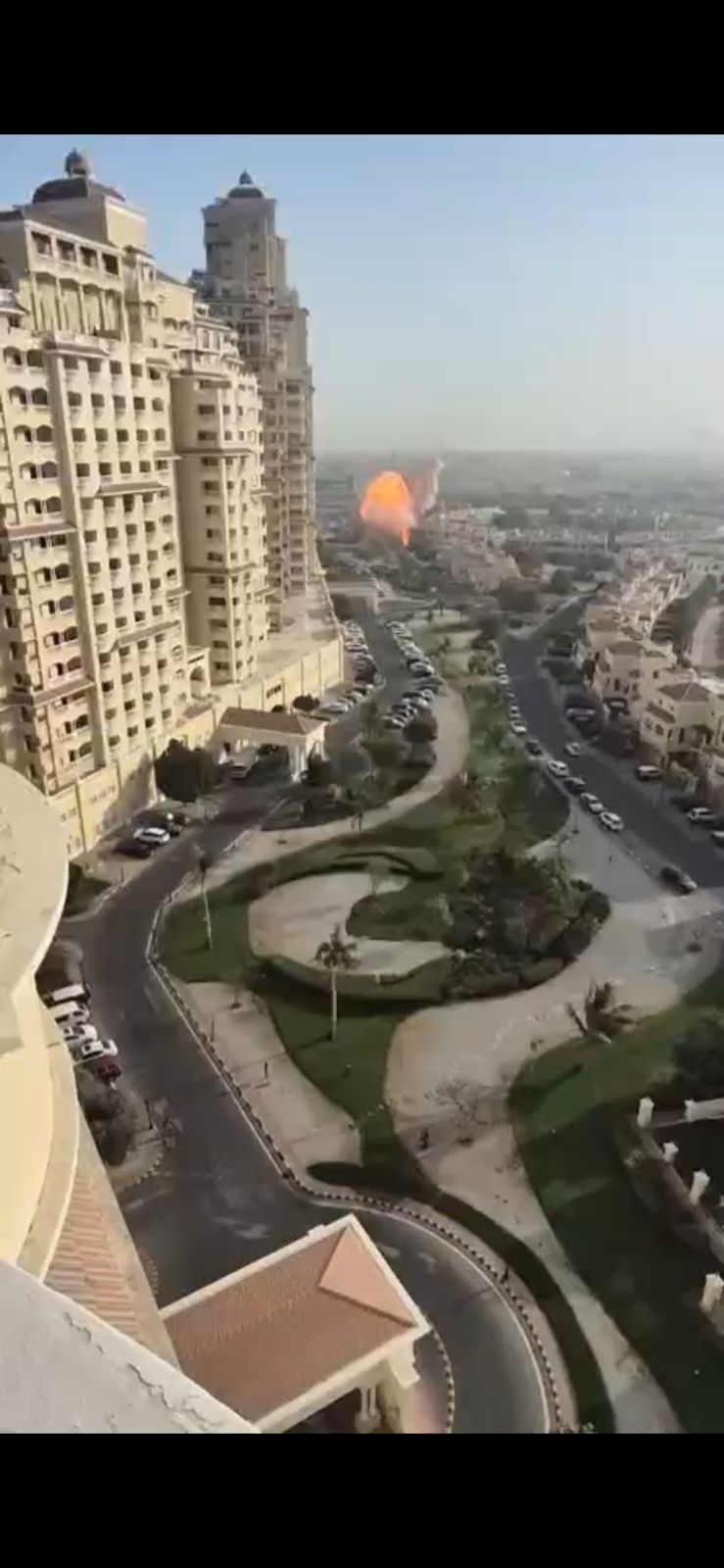
Even the usually bright sunny UAE skies were overcast and a little brooding as I started to drive and follow signposts instead of a screen. Since the incident the other day, when we were driving to one of our favorite restaurants and the anti-missile launcher began shooting fireballs into the sky horrifyingly close to us, I hadn’t wanted to drive any more long distances, and the thought of five hours on the road made me anxious. 

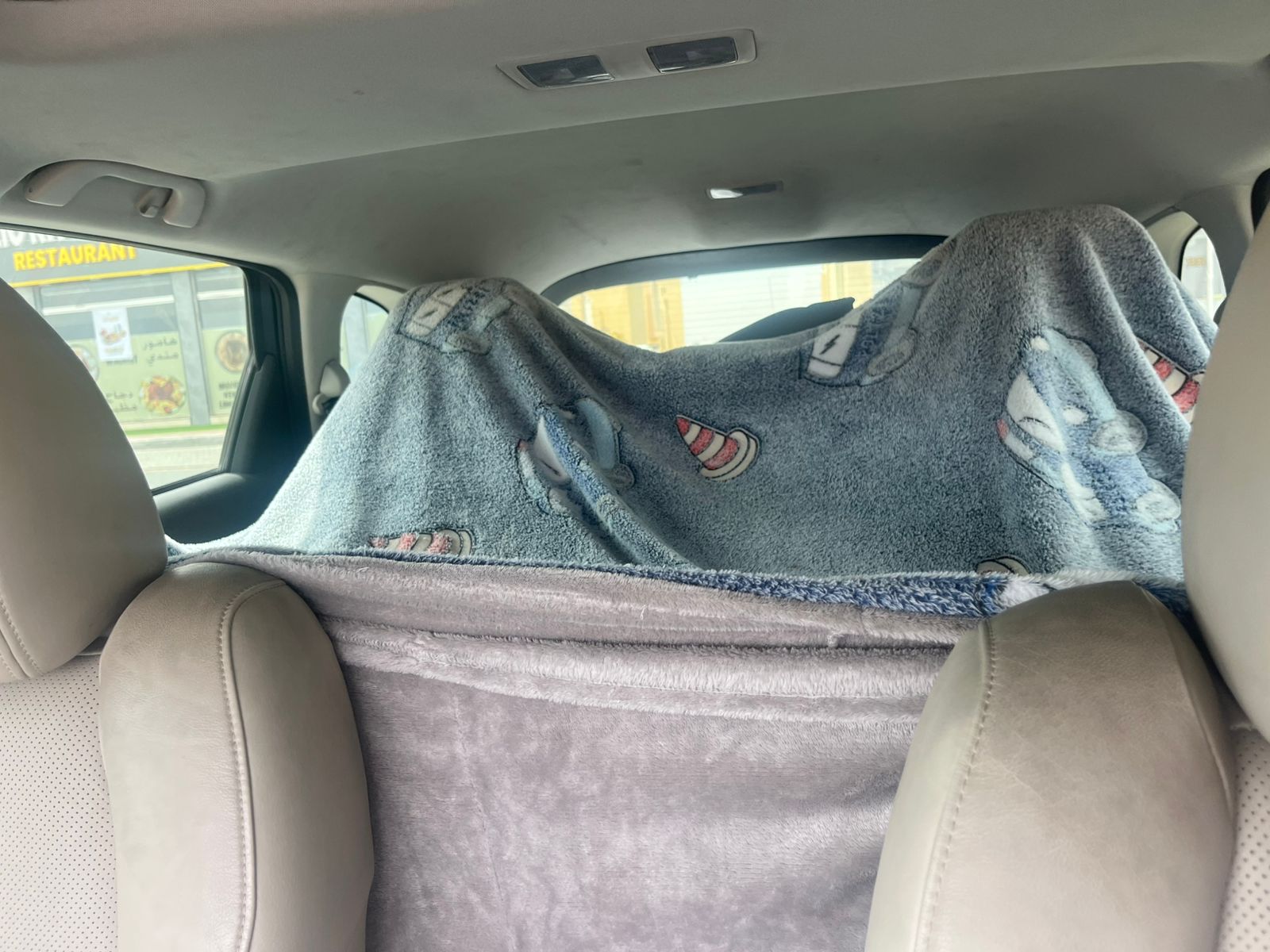
I glanced up at the sky nervously and the kids built an anti-missile fort in the back of the car with blankets and pillows.
I had to start driving the long way, since I had no clue how to reach the Hatta border without a map. I took a couple of wrong turns, inevitably, adding more time to the journey and provoking more expletives, until suddenly, Google Maps spluttered back into life the further we got from the coast.

I almost wept, and didn’t bother to check the route it calculated for us, or notice that it was guiding us to a different border crossing than I thought, adding an hour or so more to our trip.

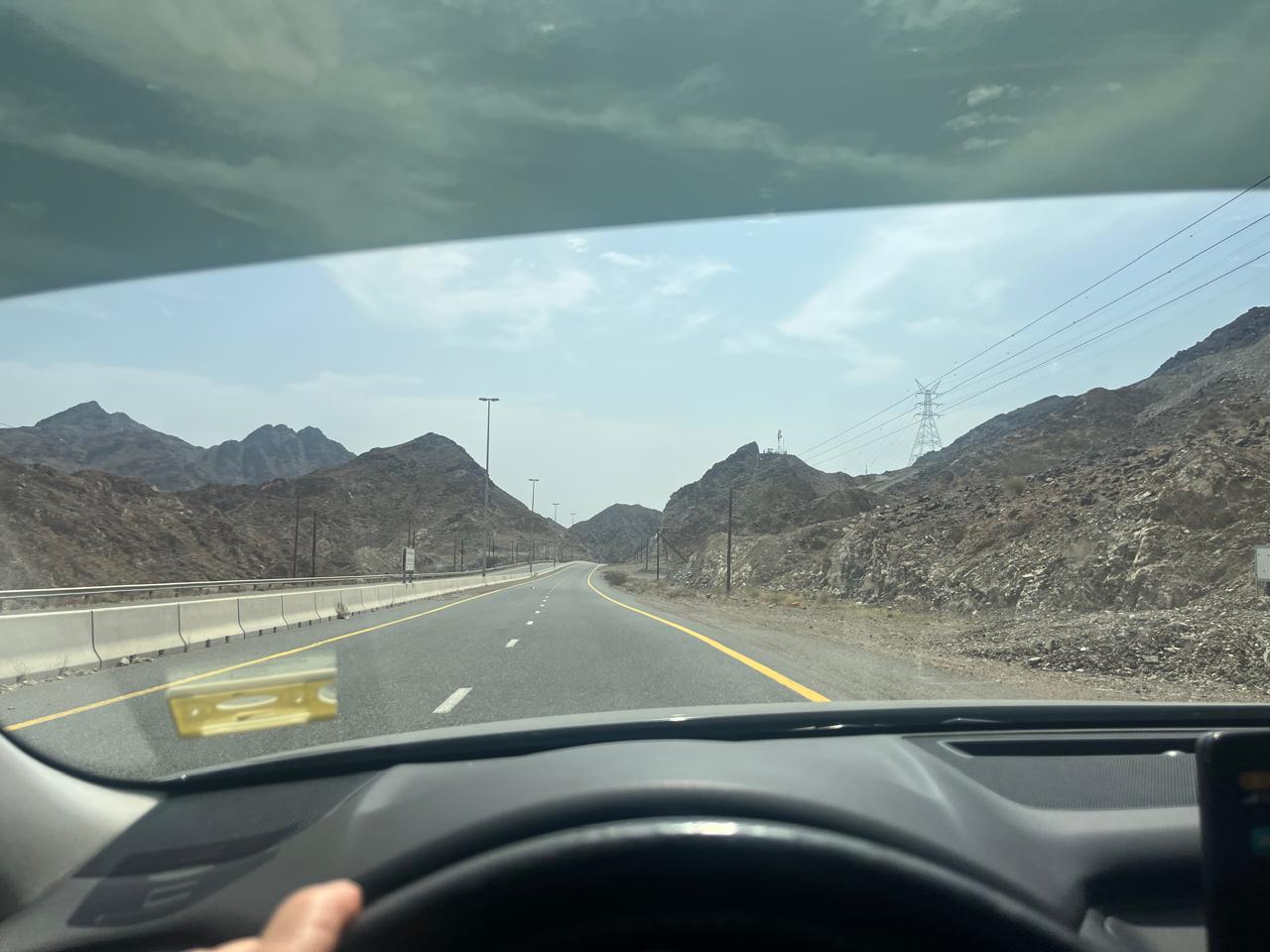
As we got further away from Dubai and golden sands gave way to a darker, more orange terrain, the small businesses on the side of the road selling plants and flowers, ceramics and fruits, gave off a comforting sense of normalcy, and my frayed nerves started to calm. Angry black mountains punctuated the earth, and the road became more winding as we drove deeper into the emirate’s interior.

I couldn’t help but notice that no other cars were going our way. After being advised to leave before dawn (as if 5 am departures were that easy with two kids), we left the house around 9 and reached the Kalba border around 11:30. I was fully expecting chaos and lengthy delays at passport control as thousands of residents rushed to leave.

But it wasn’t like that at all; in fact, there were only a handful of people in front of us, fewer than a typical weekend, looking irritated at the Moroccan lady at the counter, who clearly had some issues with her documents and was stating her case loudly to be let through. The Omani policeman looked exhausted. “So many people coming to Oman,” he said, “probably you see someone you know.”

The kindness of strangers

Crossing borders always makes me nervous. While these Arabian countries are a far cry from the roiling chaos of Mexico and Central American countries, where chicken buses burst at the seams with the strangest collection of people and their animals, plastic sacks full of tamales, Coca-Cola in plastic bags, and rosaries draped around their necks, there is still almost always some issue when crossing here.

The rules are fluid and discretionary, and change so quickly that even the border officials can’t keep up. Fortunately, I always seem to find someone in charge who will break them. As the Moroccan lady departed and I handed the policeman our documents, he returned my Mulkiya (car registration) almost immediately. 

“It expired,” he sighed, “one week ago.” My heart sank, knowing in that instant what those words meant; there would be no crossing into Oman today. Between the missiles and the online schooling, I hadn’t had a chance to renew it last week, and I was told it wasn’t an issue to wait.

“They said I could renew it any time in the next 12 months, and there would be just a small fine,” I whimpered, tossing the words together into something like a sentence, with my heart thumping in my chest.

He paused for a while and rubbed his forehead with his palms. “I will help you,” he said, looking at the children, “these are not good times.”

I could feel the tears welling in my eyes and wanted to leap over the glass counter and hug him. 

“But you not spend long in Oman, yes? One week only.” 

“I booked for two weeks,” I reply.

“Two week?” He tutted and sighed again, “Ok, two week, not more, after that, kallas, back to Dubai, renew car, and come back, no problem.”

I nodded and thanked him for this kindness.

The option of staying in Oman any longer was now off the table, then, leaving only plan A (stay two weeks and return home with the war ended and a distant memory to tell the grandkids), and plan B (fly out from Muscat and leave the Middle East burning behind). I shuddered at plan B.

Let’s face the music and dance

Driving through the last border control with the barrier closing down behind us, we were officially in Oman. I cried spontaneously, again, then reached for my phone to send a few messages and search for a soothing song. My soundtrack of choice over the last two weeks has been Frank Sinatra, Louis Armstrong, Nat King Cole, and Dean Martin, on repeat.

“There may be trouble ahead, but while there’s moonlight and music and love and romance, let’s face the music and dance… before they ask us to pay the bill, and while we still have the chance, let’s face the music and dance…”

I don’t know why, but the soothing tones of these timeless crooners make me feel safer, and they remind me of my grandparents, long passed. For the first time in my life, I understand what it might have been like for them during the war. 

My experience is incomparable; of course, the sensational reports in outlets like Sky News and The Mirror about fire and brimstone raining down on Dubai, or people driving “across deserts” to escape, are not just hyperbolic but flagrantly false. 

We were hardly leaving a fully blown warzone, and while the roads do wind through desert landscapes, I can assure you, they are quite nicely paved, no need for offroading at all. It is more the lurking uncertainty, and the fact that, while it is unlikely to happen, you could get hit by falling shrapnel, or a drone could explode in the village where your children go to school. That wasn’t on my Bingo card for 2026.

And the daily (and far worse, nightly) booms in the sky, the jarring alerts on our phones from the MOI to shelter in place while the UAE defences dealt with a missile threat, were enough to give me a glimpse of their experience.
I will never be able to hear fireworks, thunder, or the sound of a jet again without catching my breath. I remember how we used to laugh at my grandmother, who flew into a blind panic when she heard any of these sounds after living in London during the Blitz. I understood her for the first time and cried again, unable to regulate my emotions. I have never been so pessimistic about the state of humanity.

Is this the new normal?

Knowing the difference between ballistic missiles, cruise missiles, and hypersonic missiles, barely flinching as projectiles light up the sky over a children’s birthday party, and realizing that the line between the “good guys” and the “bad guys” was probably always this nebulous, makes me wonder… is this the new normal? Living on a knife-edge, wondering which part of the world will spin out of control next.

I thought back to COVID and the masks, the sanitizer, lockdowns, and social distancing, and being told this was how it was going to be from now on. How many times in this miserable decade are we to accept that the world has changed and the lives we know are gone? 

I have worried intensely over AI and the coming apocalypse, but now that fear seems baseless. Trigger-happy narcissists of advancing age are in charge of the nuclear codes, and they seem hellbent on wiping us out first. I can’t believe that in 2026, after what our ancestors fought and died for, this is the world I’m giving to my children.

If good times create weak men, and hard times create strong ones, I can only hope that their generation will rise from the ashes, pick up the pieces of this shattered earth, and patch them back together.

But all I can do right now is focus on what is in front of me today, and right now, it’s the open road, a few donkeys, camels, and goats scattered here and there, and Frank Sinatra all the way to Muscat.
Lessons from the Lebanese in Times of Crisis

Lessons from the Lebanese in Times of Crisis

It’s amazing how quickly humans develop new habits. Making sure all the windows are ajar before we go to sleep, calculating the distance of the booms in the sky by their sound, and ensuring the children shove their shoes, clothes, plates, toys, blankets, and other items out of the view of the camera before they go online have all become mechanical now — as has scrolling through the live updates on Al Jazeera and X to monitor the latest threats.

I limit myself to once an hour when I’m at home. When we’re with friends, I don’t scroll at all; we simply discuss all the possible motives for attacking the Gulf states, contingency plans such as driving over the border to Oman, or how deeply Donald Trump must be implicated in the Epstein files to be fighting Israel’s war in the first place.

When this whole thing broke out, we were celebrating my daughter’s birthday in a water park. The children were busy splashing and squealing on the slides and barely noticed the low-flying aircraft and thunder of the jets overhead, but it felt deeply ominous.

I was anxious, like everyone else, but pretty blasé at first. After all, we live far from American targets in a sleepy part of the country of no interest to Iran whatsoever. I also had eight kids in a water park to deal with first, which was arguably more stressful, and I couldn’t help but feel annoyed when the country declared a week of online schooling, while the golf courses remained open.

It seemed unnecessary to foist this waking nightmare upon parents, especially single parents, trying to work, keep the house from descending into a swirling chaos of the various items I mentioned above, while providing tech support to children whose microphones somehow get magically muted and online classroom links fail to load.

When war noise becomes background noise

But the irritation quickly turned into a sober, cold reality when a drone was intercepted down the road from us, and anti-missile defences later propelled into the sky, one after the next, creating an almost Dalian contrast to the feathery palm trees and golden sands they soared above. 

Explosions in the sky jolted us from our beds, and the community WhatsApp groups started to light up brighter than the skies.

“Did you hear the booms? What was it?” “That one shook my building!” “Should we go underground to the car park?” “Are any of the airlines flying out?” “Is the Omani border open? “I heard some people were getting out via Saudi Arabia.” “I’m on the 18th floor, I’m scared.”

The chatter was almost endless, and the fear palpable, tamed only by the resident Lebanese, who’ve weathered so much worse that they almost laugh in the face of everyone else’s apparently overblown fears. 

We can almost see Iranian soil from our coastline, and since they have now lobbed over 180 missiles and 900 drones across the water, we are firmly in their flight path.

Sitting on my friend’s terrace yesterday afternoon, drinking lemonade after a sleepless night, every noise made me twitch, from the slamming of a door to the shrieks of the children playing and the roar of a fighter jet.

She smiled, “At least here we know these sounds are the UAE defending us,” she said. “In Lebanon, it’s Israel attacking. You have no one to defend you there, only God.”

Even her children had learned from a young age during their family visits to that country to equate “Israel” and “bomb” together, and they naturally assumed the explosions above the UAE meant the usual attackers were on the offensive again.

She assured them that the noises of impacts were interceptions, not hits, and the result of a sophisticated anti-missile defense system protecting everyone who lives here. Every gut-wrenching boom was much further away than it seemed, even if it sounded very loud.

It’s from the Lebanese that I have learned to leave the windows slightly open so that, in the event of a blast, they are less likely to shatter. You should always move your beds into the middle of the room and stay indoors to avoid falling debris.

The rest, as they say, is in the hands of God. At least in the UAE, we have a mighty army to protect us. In her country, there is only your faith in a higher power.

The noises are keeping us safe

But there is no fear like it when the sounds are close. A lurching dread that hits the stomach and travels quickly up to the throat, making it hard to speak before escaping through the eyes in the form of tears. I have found myself spontaneously crying a few times, before I choke them back down and force a smile, telling the kids the noises are keeping us safe.

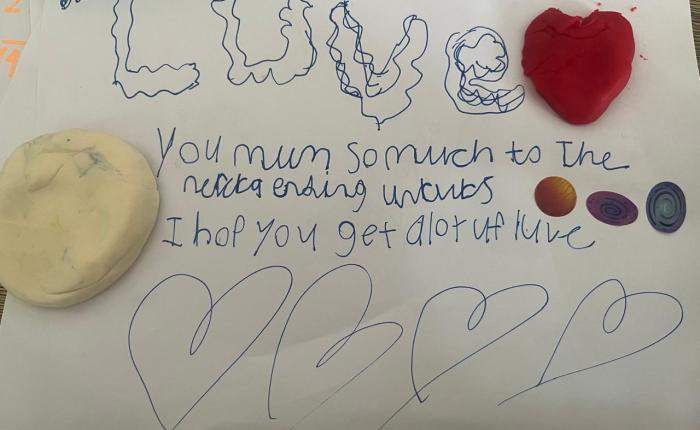
My heart melted yesterday when the children were having recess during their online class and chattering to each other about the “bombs.” My son interjected by saying, “No, no. They’re not bombs, that sound is the UAE protecting us!” Then he drew me a picture full of love hearts to make me feel better, and both kids “tidied” their room.

I would say I had done a fairly good job of keeping the calm until the night before last, when we heard several blasts throughout the night, and I finally decided to shake them from their slumber and rush to the underground car park around 5 am. 

There wasn’t much calm about my voice in that moment, telling them to quickly throw on any item of clothing and immediately run down the dark stairwell. In hindsight, it was an exaggeration. We’re on the ground floor anyway, and, well, I don’t know what the odds are of being hit by shrapnel from an intercepted missile or drone — it’s not something I’ve ever contemplated before — but it’s probably right up there with a Lightning strike.

Once you rationalize away your fears and do your best to carry on as normal, the real upheaval is inside your own walls. 

There is definitely a throwback to COVID in this; that helpless feeling of dealing with far too much alone. Stuck in a confined space, trying to work, with two kids whining, the parks and play areas closed off with lined tape, and a low-grade anxiety about something omnipresent outside. In this case, it’s the sound of the jets routinely circling above, rather than the fear of a deadly virus, but the apprehension is the same.

The things that keep us sane

That’s why I am limiting myself to hourly updates rather than hanging on every minute. There’s nothing like a constant media overload to really put your nerves on edge, making you hypervigilant rather than useful, and preventing you from sleeping. I’ve also stopped searching for things like “nuclear fallout distance,” which does nothing to promote a restful night.

We have found sanctuary in a friends’ house, where the children can play, and the adults decompress, drinking wine, listening to Frank Sinatra, forgetting their troubles for a while, or sharing stories and first-hand accounts of the falling drone in the village.

At least unlike the pandemic, we can get together with friends, meet up in person, hug and share stories, and not feel so utterly and palpably alone. I couldn’t be more grateful for the kindness of my friends for opening their doors and their hearts.

I also appreciate the many messages from people outside the UAE. Thank you for asking how we are, what is happening, and whether we have enough food. I’m sorry if I haven’t replied personally to you all. Between the online school, job, and constant doomscrolling, I haven’t gotten around to it yet, but we are well.

Last night was quiet, and for now, we have no plans to leave. And yes, we have plenty of food, water, and wine, all the priorities. I have seen stocks of toilet paper depleting (why is it always toilet paper?), and Amazon seems to have given up, with all my existing orders understandably on hold, and new ones slated with month-end delivery dates. 

Inshallah, this will be over soon, although I don’t think anyone really believes that, we can always hope. I have two children screaming at each other in the other room. The sofa has been turned into a fort, and they’re joining each other’s classes. Homeschooling will kill me way before any missile from Iran.

Do One Thing Every Day That Scares You

Another year, another rollercoaster ride more thrilling—and chilling—than the last. I redefined resilience again facing the fears that lurk in the shadows as they came out to play in the light. The earth shifted beneath my feet as the rug was pulled and the life I took for granted swept along with it. Not a literal earthquake like the one I lived through in Costa Rica but a natural personal disaster that rocked the foundation of my being. No bricks or debris fell from the sky, just a crushing weight of responsibility making it hard to breathe. 

Fortunately, I have learned to slay through adversity like a warrior. Despite leaving the UK so long ago and retaining little of its culture, the words of my quintessentially English father echo through my brain in challenging times. “KBO darling, KBO.” If you don’t speak British, “KBO” means “keep buggering on.” At least, it does in my father’s world. Not exactly one of those bumper sticker affirmations that incite you to seize the day; rather, the kind of gritty tenacity that overcame two world wars. We fight on—we bugger on—because there is no other choice. 

Grateful for the Good Stuff

Looking beyond recent trials, there is so much to be grateful for since my last trip around the sun. I’ve covered many more miles and forged a million new memories (mostly reminiscing over old ones) with the amazing humans who have illuminated my path. Old and new, young and not so young, some of the most beautiful souls on the planet have crossed my orbit this year, sending me motivational videos when I needed them or being my wing-woman at an evening with the Sheikh in his palace. What can I say? I live an unconventional life.

I found myself back in the streets of Vancouver where I spent so many magical moments in my 20s, basking in the light of the Pacific Northwest, so different from the Middle East. I somehow shed 20 years and reunited with old best friends who had also barely aged despite the passing of time. I strolled the familiar streets like a local and passed my old apartment where I had hung upside-down from the 20th-floor balcony railings, being young, dumb, and entirely fearless. I miss the absence of fear.

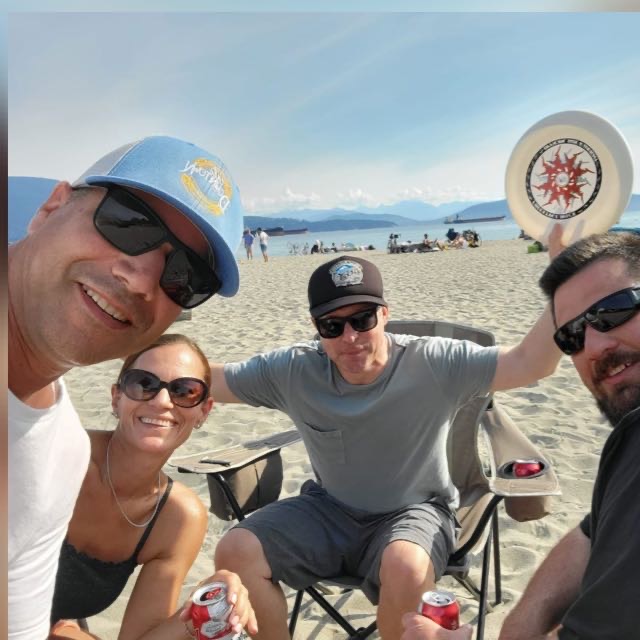
So much had changed and yet nothing at all. We drank cans of beer from a cooler as we sprawled out on the familiar sands of Jericho Beach, where the same logs were still dotted about, the squirrel population had grown in numbers, and the hostel we had slept 10 in a room welcomed new generations of travelers.

We put the world to rights once more with almost as much energy as we had two decades before and as the summer light dimmed into the evening, the memory will warm my heart forever—as will the goofy photos and age-identifying dance moves. I took a seaplane to visit my cousin on Vancouver Island flying over the mountains, forests, and the Pacific Ocean, captivated by the beauty of the land I called home. We spent a six-hour lunch filled with laughter, banter, and beers. It was every bit as amazing as it sounds.

I will preserve these memories until I am old and senile and peeing into a diaper, because in the end, what is left but the memories of the life you have lived?

Gypsy Spirt Forever

I had the honor of being the “not best man” at my best friend’s “not wedding.” I’m not sure how well my speech went but the audience was kind, and, most importantly, I still carry our deepest secrets to the grave. I’m proud as hell that one of the women I admire most in the world trusted me with a microphone on her special day.

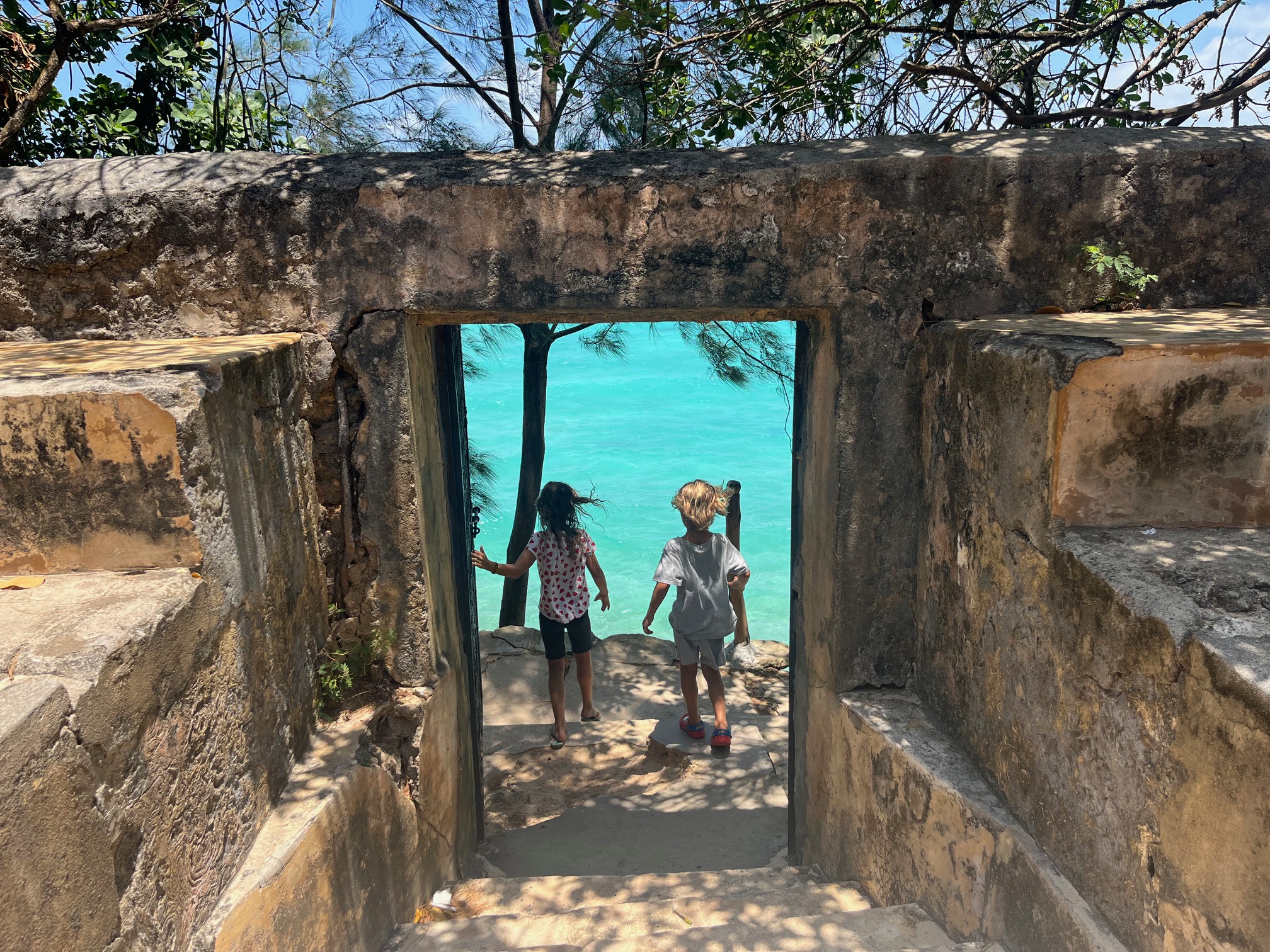
What else happened this year? Miami, Lisbon, Bali, Oman, riding the world’s most terrifying sledder on the slopes of ‘Mount Doom’, and contemplating the neverending expanse of Zanzibar’s waters. I had a whistlestop visit to another of my soulmates during an eleven-hour layover in Dublin, where the 4-degree drizzle caught me off guard in mid-October and the conversation and laughter flowed as freely as the wine.

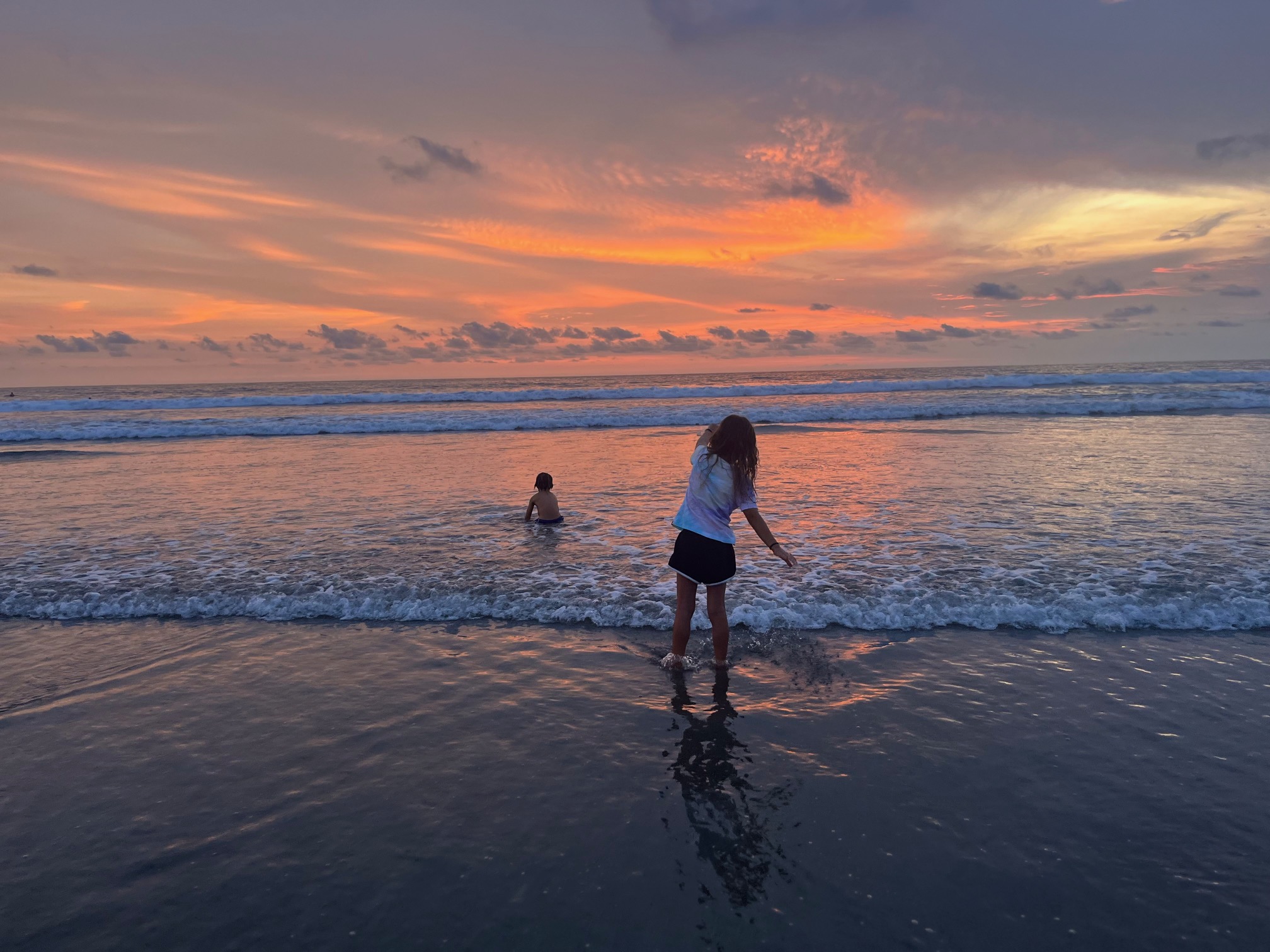
Nostalgia seems to be my buzzword this decade and Bali was like closing a chapter. I wanted to take the kids back to the place we had all evolved as people. Where my son started to run, my daughter taught herself to swim, and I found the courage to move forward.

Surfing the Indonesian waves, reconnecting with special people, driving in the insanity of the moped-filled streets, and sharing a beer with Australian surfers. Bali brought a smile back to my face, but Zanzibar touched me the most. Like a forbidden fruit, Zanzibar stuns with its turquoise waters and pristine beaches, sunshine, and tropical vibe. But like a thorny rose, the beauty comes with a spine.

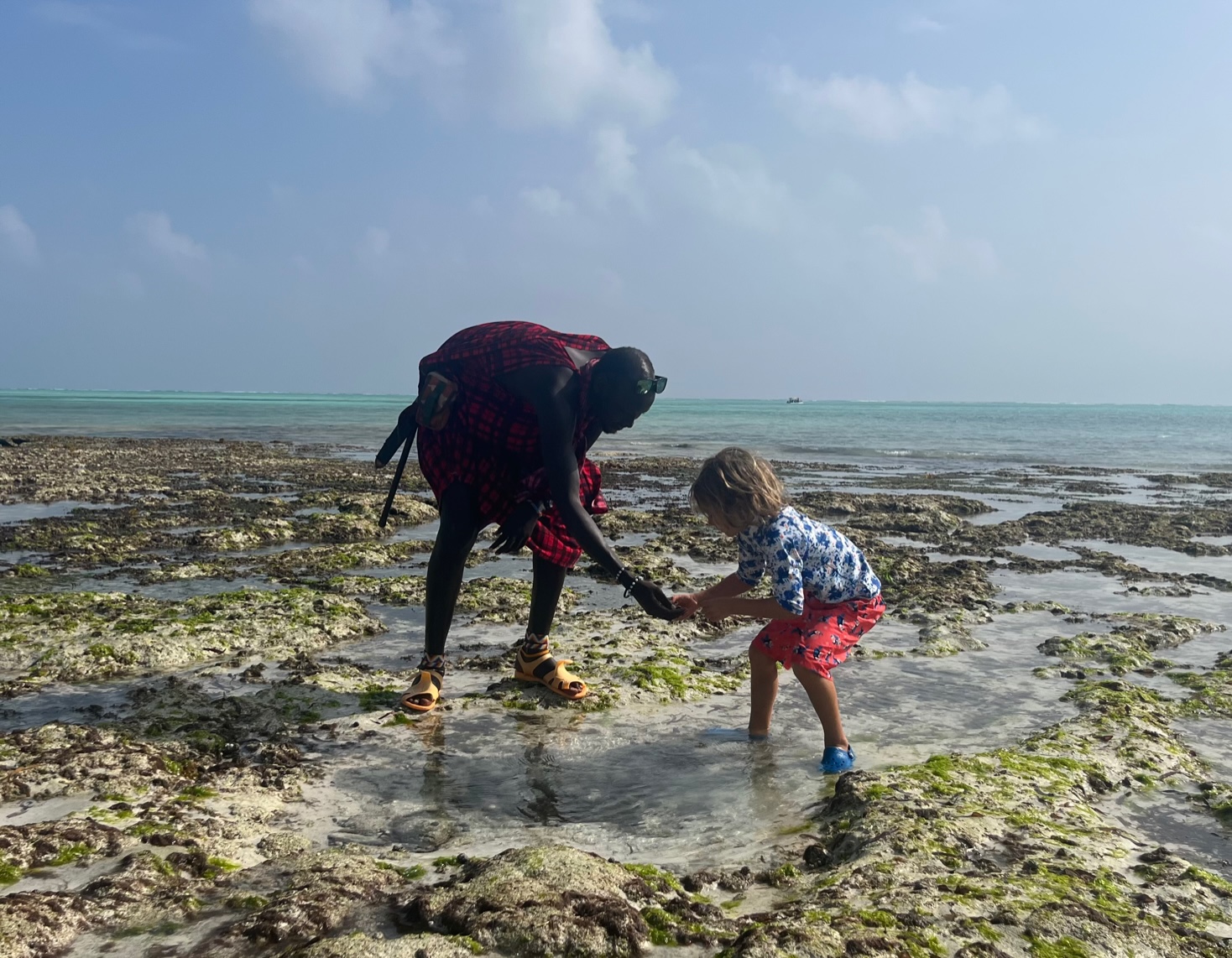
The never-ending horizon is filled with sea urchins that spike you and creatures that sting. It’s an unforgiving terrain littered with a fascinating cast of characters; seafarers, necklace sellers, mothers with babies wrapped on their backs, and seven-foot Maasai warriors, blended together in the blistering heat. The kids had never seen such poverty or experienced as much boredom with no wifi and “nothing to do” but relax and admire the view. 

Zanzibar felt like a prison as I endured their ceaseless complaints and tantrums until we were all just forced to slow down and observe the snapshot of life on the East African island. We resorted to the simple things you’re supposed to do on holiday; board games, books, conversing with other guests, collecting shells and sea creatures, and devouring different tropical fruits. Time stood still and the neverending whirlwind slowed down for a minute.

The Storm That Flooded the Desert

This year brought the worst flood in 75 years to the UAE. But since Dubai was little more than a fishing village with sparse edification, three-quarters of a century ago, the damage was less intense. With highways transformed into rapid rivers and entire neighborhoods plunged underwater, I earned my boat captain stripes, pushing the limits of my Mazda beyond the recommended, determined not to let it defeat me. Then I bawled my eyes out and shook with fear as sociopathic drivers in ostentatious offroaders sped past at the speed of a bullet causing waves to ratchet at my windows. 

The sun came out immediately after as it tends to do in the UAE and we were back to normal in no time despite the appearance of a few new lakes. Lucky for us, our house was unscathed and the cat managed to find his way home.

The Soundtrack to My Life

I came across this old music video from the 90s last year and it has become the soundtrack to my life. Give it a listen and then listen again. The lyrics are pure gold if you’re old enough to understand them.

Here’s one of my favorite lines:

“Do one thing every day that scares you.”

It’s made me up my game.

Here’s another:

“Understand that friends come and go, but with a precious few, you should hold on. Work hard to bridge the gaps in geography and lifestyle because the older you get the more you need the people you knew when you were young.”

The older I get, the more discerning I get with my time—and my friendships—and the more I appreciate the ones I have. I will kick off my next year of life as I end this last one with a reunion in Helsinki with more best friends from my University days in Buenos Aires. Argentina remains one piece of my life’s puzzle I haven’t put back into place. I don’t think I’m ready yet. It takes courage to seek happiness in the place where you lost it, a good friend taught me that.

I still carry la tierra celeste with me. Legendary Argentinian folk singer Mercedes Sosa sang:

“Gracias a la vida, que me ha dado tanto. Me ha dado la marcha a mis pies cansados, con ellos anduve ciudades y charcos, playas y desiertos, montanas y llanos.”

My tired feet have taken me far as well: To cities and countryside, beaches and deserts, mountains and planes. The journey ahead is still long with many more miles to go. Happy birthday to me and happy July 4 to all my American friends!

“Loss, shame, fear, and regret may they be cast down the drain. Happiness, friendship, wonder, and hope may they fall from the sky like rain,” Christina Comben, 2024.

11 Observations of Dubai from a Newbie

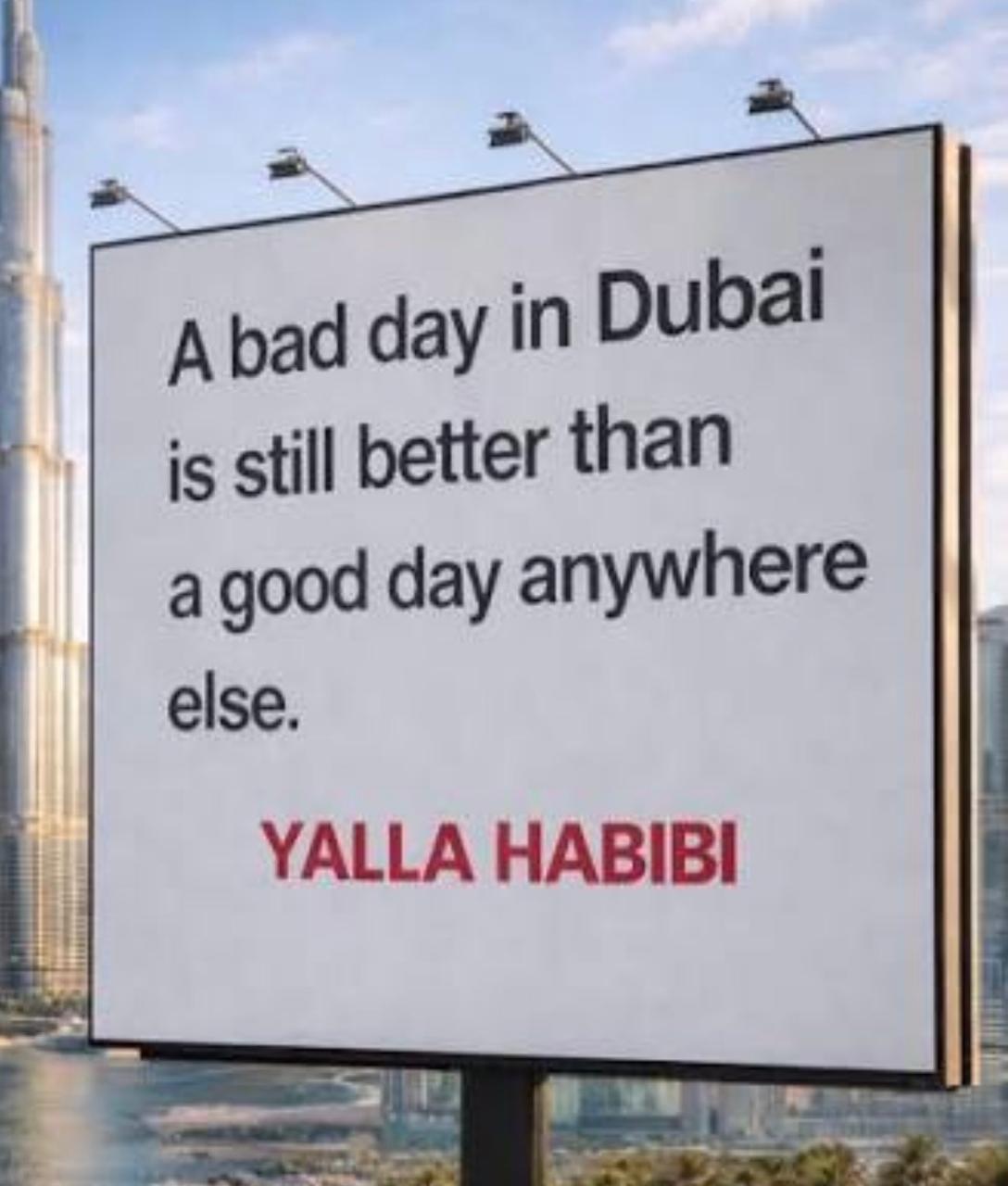
It’s just over a year since I crash-landed in Dubai, and I still find something every day that brings a smile to my face, a frown to my forehead, or an expletive to my lips. The list of anomalies is long, and the tapestry of characters rich and colorful. Dubai may seem superficial at first, but scratch the surface just a little, and nothing is what it seems. Here are 11 observations of Dubai from a newbie — can you relate?

  1. There is a solution to every problem

Moving countries is a headache. Doing it with no support as a single working parent is the stuff of enduring migraines. A significant logistical feat that’s as physically and emotionally draining as it is financially. Despite the overarching convenience of just about everything in the UAE, spending a few hours in the government “happiness” centers here is enough to push any sane person over the edge. 

Just when hope is lost to attest your documents on the other side of the world, open a bank account, or find a reliable real estate agent, you suddenly manage to get things done, and it almost always involves throwing money at the problem. Whether it’s finding a spaceman costume at the drop of a hat or getting your visa processed quicker, there is a solution for everything.

  1. You have to pay upfront

If draining your bank account on unexpected events wasn’t enough, the upfront costs associated with everything in Dubai will make your head spin. Whether it’s the big ticket items like rent, school fees, and furniture, or more minor things like a DEWA deposit, gym membership, or a Privilee account, having to shell out lump-sum payments for everything leaves you hemorrhaging money from every pore.

Haven’t they heard of monthly payments in the UAE? And what is up with chequebooks? The last time I saw a cheque, it was enclosed in a birthday card from my great-grandmother with instructions not to spend it all (£5) at once. As Dubai aims to be the cutting-edge tech center of the globe and the world’s first city powered by blockchain technology, isn’t this antiquated way of settling transactions a little bit at odds?

  1. Everywhere takes 30 minutes

It doesn’t matter where you are in Dubai or where you want to go; everything takes the same amount of time, even the short trips — unless you miss your exit and run into a five-mile tailback. There’s only one thing worse than being stuck in heavy traffic, and that’s being stuck in heavy traffic going the wrong way. 

  1. Google Maps is a driving hazard

Speaking of going in the wrong direction, guaranteed to add time to your journey is Google Maps. A staple in many parts of the world, Google Maps is a driving hazard in the UAE. Until you can master keeping left and keeping right simultaneously without crashing into the central bollard, you should probably switch to Waze.

  1. Having everything delivered to your door is addictive

When you can get everything delivered to your doorstep at any hour of the day, you suddenly want more things delivered to your doorstep at any hour of the day. Having a massage, manicure, handyman, chocolate doughnuts, or a full tank of petrol at the touch of a button is addictive — and expensive.

  1. You get really lazy

See above. Plus, you use the car a lot more than you do at home. Why walk in the blistering heat when there’s very little you can walk to anyway and always someone willing to deliver it?

  1. Eggs last forever

Is this normal? I don’t know what they put in eggs here, but they seem to last forever. I have never seen an egg with an expiration date so far into the future that it has time to hatch, grow up, and go to college before being consumed. Diamonds are forever, and in Dubai, so are eggs.

  1. Bling is the thing

I was prepared for the bucketloads of money and superior styling habits of Dubai’s elite, but even the soccer moms? It doesn’t matter where I am or what I’m wearing, I am always underdressed in Dubai. When everyone from a supermarket attendant to a yoga teacher is flawlessly groomed, from the top of their perfectly threaded eyebrows to the tips of their manicured toes, you ultimately find yourself doing it, too. Bling is the thing in this part of the world, and you have to step up your game.

  1. The school run makes you lose your will to live

Even if you’re not a parent tasked with this ad-nauseam daily duty, you’ve probably run into a school run. And you know how painful it is. If you thought the behemoth 4x4s were to go offroad in the desert, you were wrong: they’re to climb up the curbs and conquer the sidewalks so the children reach their classrooms (and Jumeirah Jane gets to pilates) on time. With yummy mummies dripping in Fendi and Juicy Couture at 7 am, feeling underdressed in a swanky restaurant’s got nothing on the school corridor, the runway of Moscow’s finest.

  1. There are more speed cameras than people

I’m not sure if that’s an actual fact, but it certainly seems like it could be. The pimped-out offroaders may seem unnecessary, but at least they can cause useful traffic infractions. What purpose the lines of brightly-colored Ferraris and Lamborghinis parked outside the 5-star hotels serve is beyond me. When you’ve only got 100-meter stretches between each speeding ticket and mountain-high speedbumps around every residential area, your opportunities to go full throttle are few and far between.

  1. The plumbing is really screwy 

Even if you’re lucky enough to live in a more modern development, you probably have no cold water in summer. If you live in an older one, you’ll have scalding water pumping out of the shower and yellow water in your kitchen sink. The off switch does nothing to affect the temperature. The electrics are wired backward as well.

They say it takes a couple of years to get used to Dubai, but I think you could live all your life here and be perpetually surprised. There’s no place like the UAE for living your best life and being your best self —but there are plenty of speedbumps along the way.